Choosing an Office Laminating Machine for Daily Workplace Use
The best office laminating machine is the one that protects documents without slowing the workday down. It should be fast enough for daily tasks, steady enough for professional results, and simple enough for several people to use correctly.
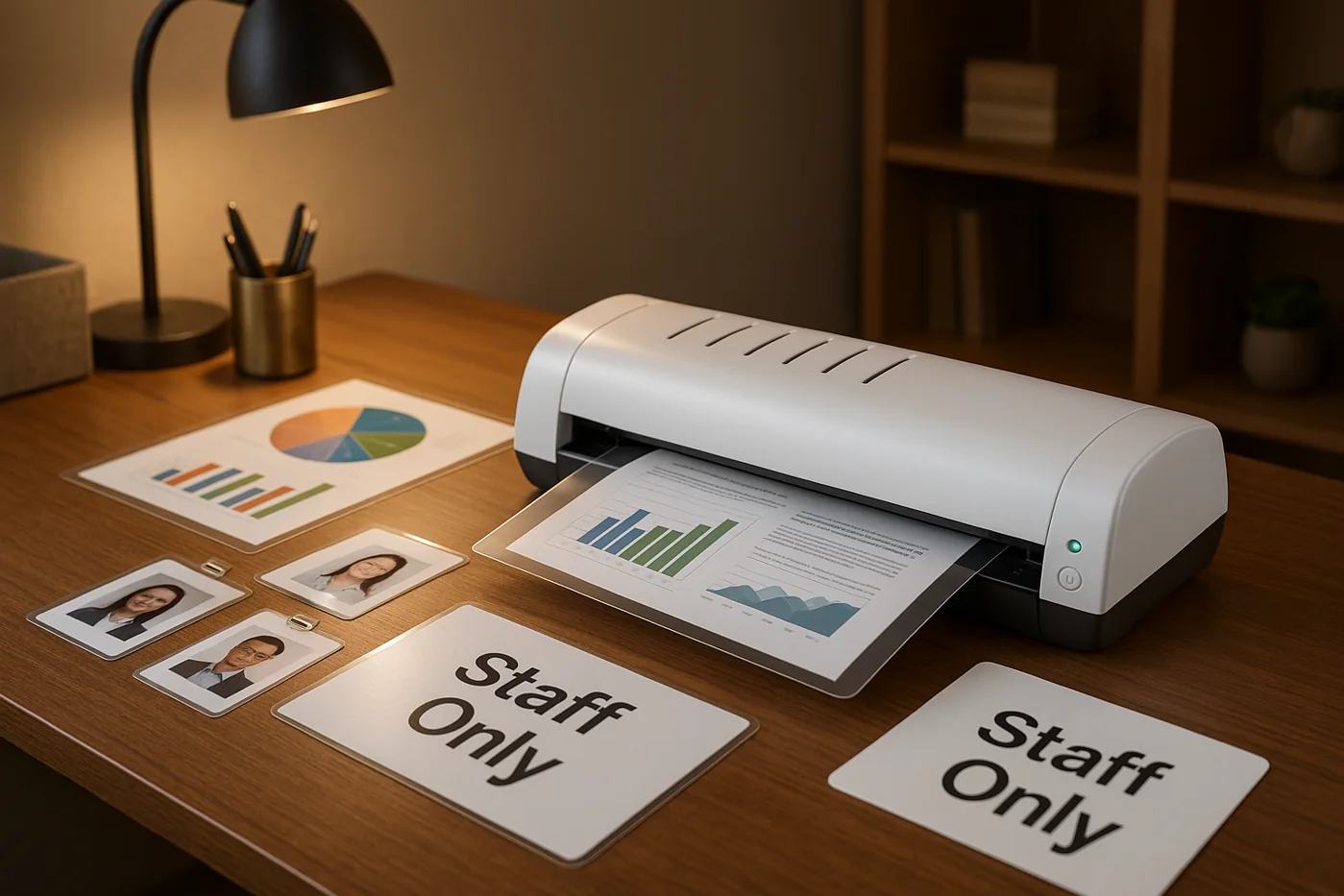
If you are comparing current office-ready models, start with LeStallion’s roundup of the best laminating machines for office use. It focuses on warm-up speed, jam release, hot and cold modes, wider entry paths, and everyday workplace reliability.
Why office lamination is different from occasional home use
In an office, a laminator often supports presentations, client materials, training sheets, reception signage, menus, name badges, instructions, checklists, and frequently handled reference pages. That means the machine needs to be more than “good enough.” It needs to produce repeatable results across different users and project types.
Professional lamination depends on even heat, steady roller pressure, accurate pouch settings, and enough feed width for real documents. When any of those details are weak, the finished sheet can show bubbles, cloudy patches, curled edges, wrinkles, or poor seals.
Core features to check before buying
Warm-up speed: Offices benefit from machines that are ready quickly. A laminator that warms up in around a minute is useful when someone needs a sign, report cover, or badge before a meeting.
Jam recovery: A release lever or reverse function is essential in shared workplaces. It helps recover crooked pouches without tearing documents or damaging rollers.
Entry width: A 12-inch or wider throat gives flexibility for standard sheets, presentation pages, menus, and oversized office documents. Smaller machines may be fine for light home tasks but can feel limiting in a workplace.
Pouch thickness: Most offices use 3 mil and 5 mil pouches, but thicker pouches are helpful for ID cards, reusable signs, and durable reference pieces. Confirm the supported range before buying pouches in bulk.
Hot and cold modes: Hot lamination handles normal thermal pouches. Cold lamination is useful for heat-sensitive prints, adhesive films, or delicate materials that should not pass through high heat.
How to match a laminator to office workflow
A small business that laminates a few notices each month may not need a commercial-grade machine. A school office, real estate team, clinic, restaurant, print desk, or training department may need a stronger model with faster throughput and better jam control. The right choice depends on volume, document size, and how polished the final materials need to look.
For busy teams, choose simple controls and clear status indicators. Shared equipment should not require guesswork. If users can quickly see when the machine is ready and which setting fits the pouch, mistakes become less common.
Office laminator SEO entity checklist
Strong office laminator research should cover laminating pouches, hot lamination, cold lamination, jam release lever, reverse mode, warm-up time, pouch thickness, 3 mil pouches, 5 mil pouches, auto shutoff, energy saving, presentation sheets, ID badges, office signage, training materials, roller pressure, thermal adhesive, and document protection.
FAQ
What makes a laminating machine good for office use?
It should warm up quickly, seal consistently, handle common pouch thicknesses, include jam recovery, and support the document sizes your workplace uses most.
Is hot and cold lamination useful in an office?
Yes. Hot lamination is best for standard thermal pouches, while cold lamination can help with heat-sensitive prints and self-adhesive pouches.
How wide should an office laminator be?
Most offices can use a letter-size or 12-inch class laminator, but wider models are better for signs, menus, posters, and oversized presentation sheets.
Why do office laminators jam?
Common causes include crooked feeding, wrong pouch thickness settings, overloaded pouches, or documents that shift inside the pouch.
Are auto shutoff features worth it?
Yes. Auto shutoff saves energy and reduces overheating risk when a shared office machine is left on after a task.
Reviewer note
Calder Wren is a fictional editorial reviewer profile for WorkDesk Review Journal, representing practical evaluation of office workflow tools: warm-up speed, seal clarity, jam recovery, pouch compatibility, safety features, and professional document presentation. No real-person credential or certification is implied.